The Complete Guide to ANSI/ASSP Z359 Certified Height Safety Equipment
Article
The Complete Guide to ANSI/ASSP Z359 Certified Height Safety Equipment
From climbing trees to abseiling large buildings, working at height demands equipment you can trust. That’s why choosing gear that meets the necessary ANSI/ASSP Z359 safety standards is essential for safety and compliance.
In this guide, we break down the key Z359 certifications for height safety equipment and highlight a range of products available at MTN that meet each standard.
What are ANSI Z359 Standards?
ANSI Z359 standards are a set of guidelines developed by the American National Standards Institute (ANSI) to define the minimum safety and performance requirements for fall protection equipment used in the United States. These standards ensure that equipment such as harnesses, lanyards, connectors, and anchor devices are rigorously tested for strength, durability, and functionality under various conditions.
ANSI Z359 is essential for ensuring that height safety equipment performs effectively and safely in real-world working-at-height environments. Furthermore, many of these standards are adopted or referenced by OSHA (Occupational Safety and Health Administration) to ensure compliance with workplace safety regulations, particularly for those involved in construction, industrial, and other high-risk industries.
In practice, ANSI Z359 standards help professionals select compliant, high-quality gear that meets both safety and legal requirements, ensuring worker protection across various industries in the U.S.
7 Key ANSI Z359 Standards for Fall Protection Equipment
Fall protection systems are made up of numerous components, including full body harnesses, lanyards and connectors. Each component has its own Z359 standard, ensuring that every part of the system meets specific safety and performance requirements.
| ANSI Standard | Component | Description |
|---|---|---|
| Z359.11 | Full Body Harness | Safety requirements for the design, testing, and use of harnesses used for fall arrest, positioning, and travel restraint |
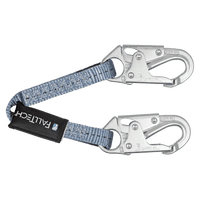
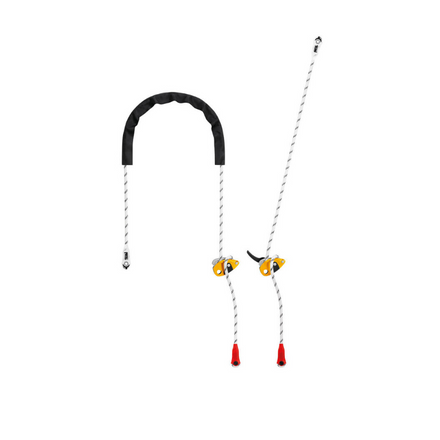
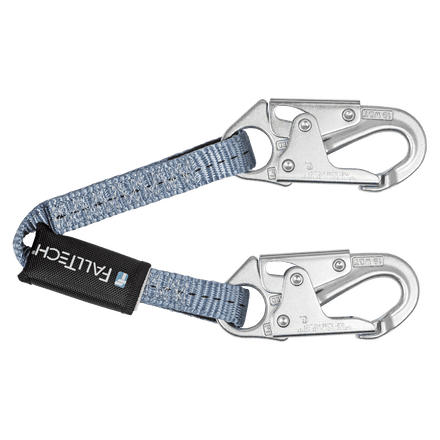
| Z359.3 | Lanyards & Positioning Lanyards | Requirements for non-energy-absorbing lanyards used strictly for travel restraint and work positioning |
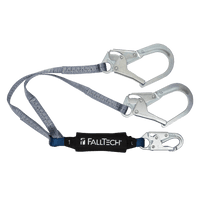
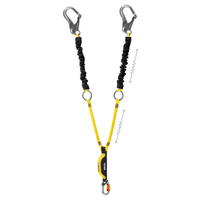
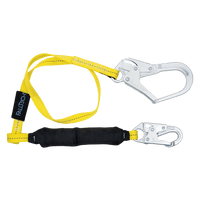
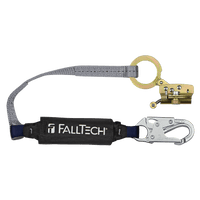
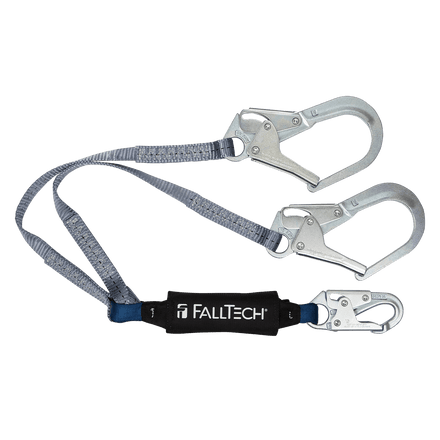
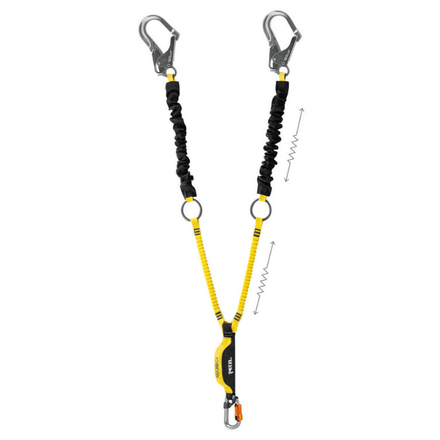
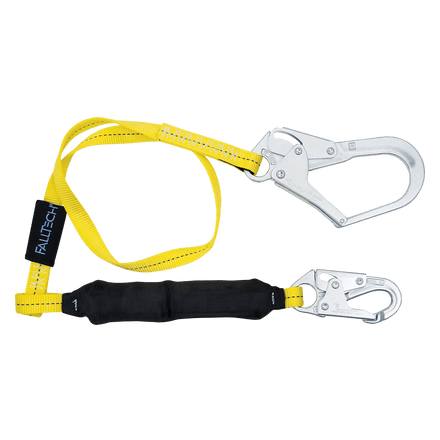
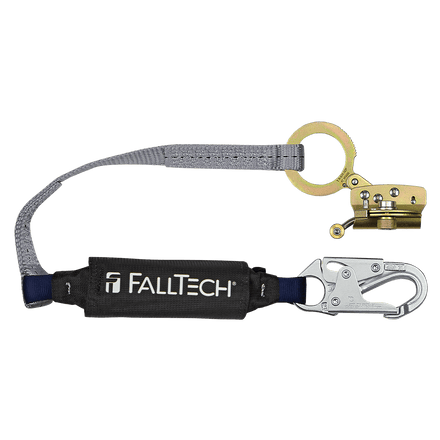
| Z359.13 | Energy Absorbers & Energy Absorbing Lanyards | Requirements for lanyards that include a shock-absorber designed to dissipate energy during a fall arrest |
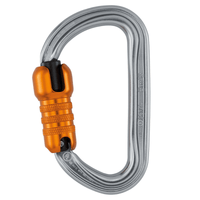
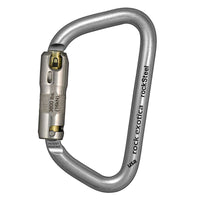
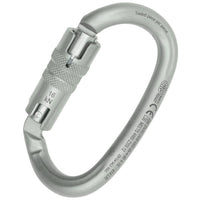
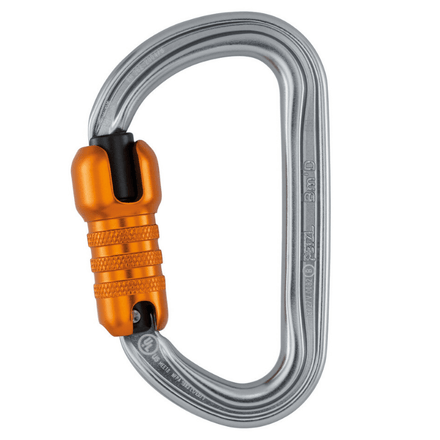
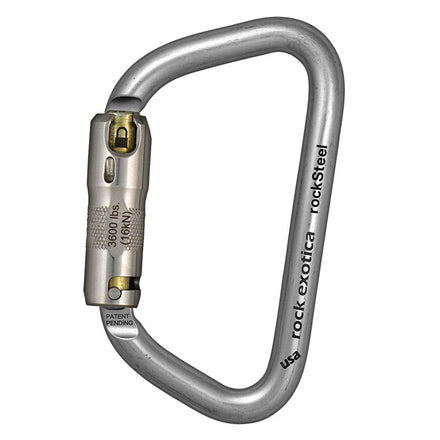
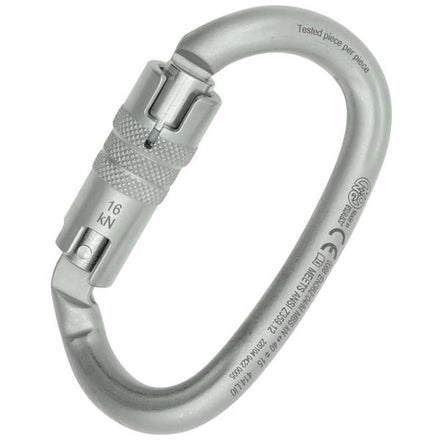
| Z359.12 | Connecting Components | Safety requirements for carabiners, hooks and snap hooks used to link components in a fall protection system |
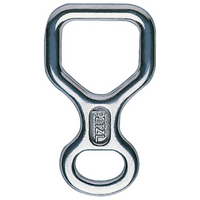
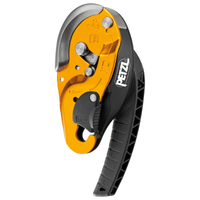
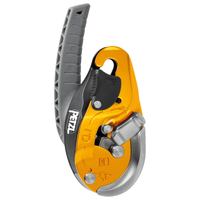
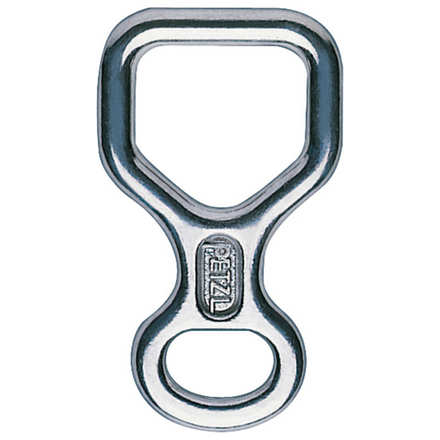
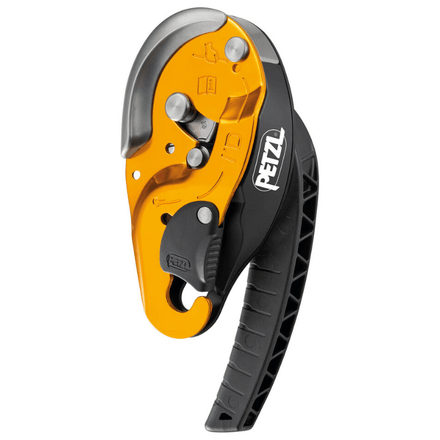
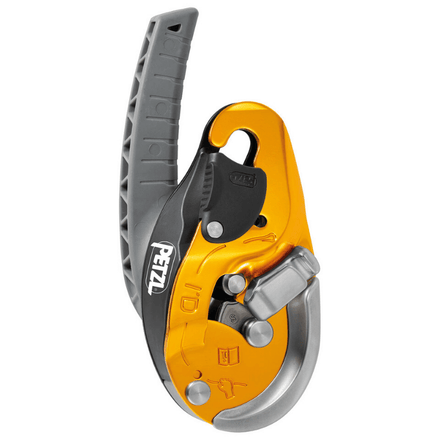
| Z359.9 | Descent Controllers | Requirements for manual or automatic devices used to control speed during a descent or evacuation from heights |
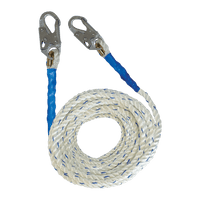
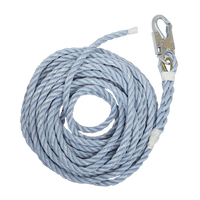
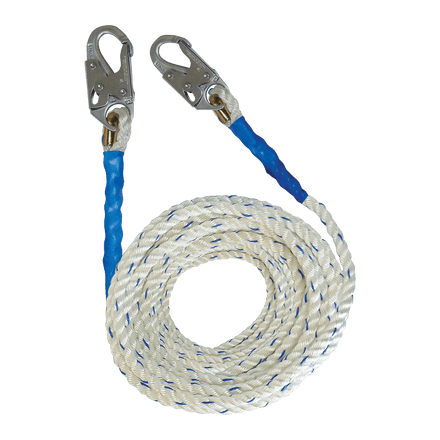
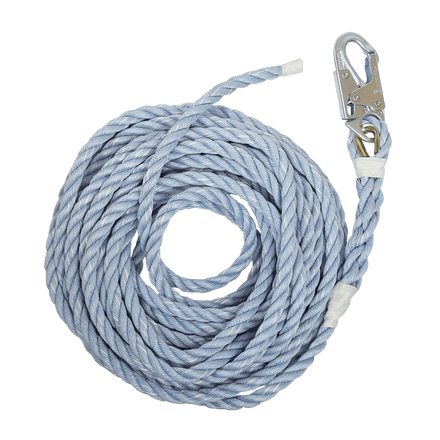
| Z359.15 | Single Anchor Lifelines & Fall Arresters | Requirements for vertical lifelines (ropes) and the fall arresters (rope grabs) that slide along them to stop a fall |
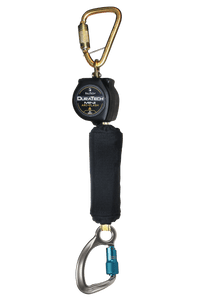
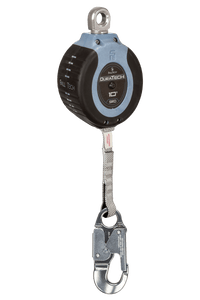
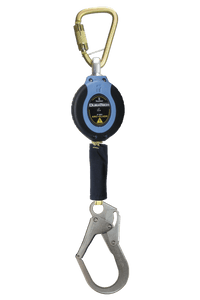
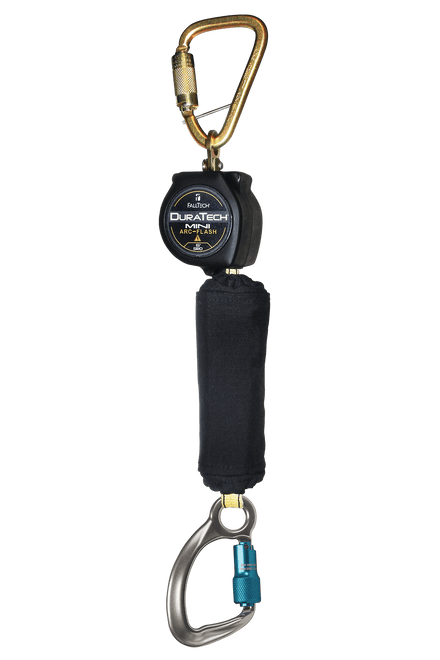
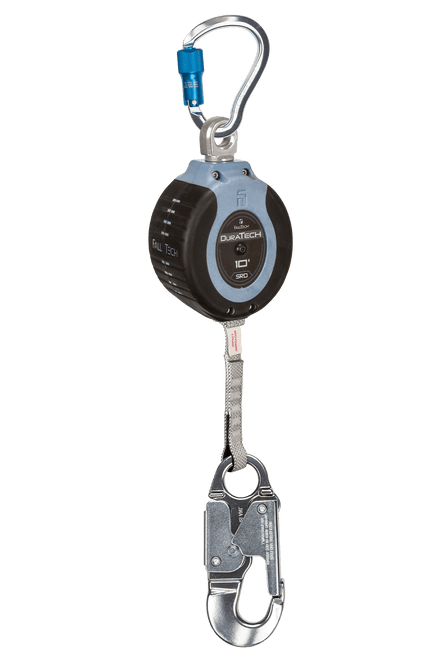
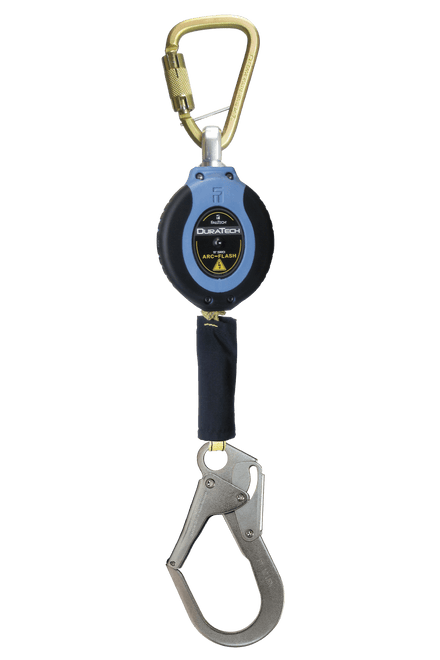
| Z359.14 | Self-Retracting Devices (SRDs) | Requirements for mechanical devices (SRLs, SRL-Ps, SRL-Rs) that automatically tension a lifeline and lock during a fall |
Breaking Down the ANSI Z359 Standards
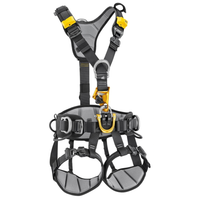
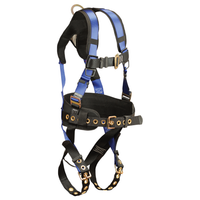
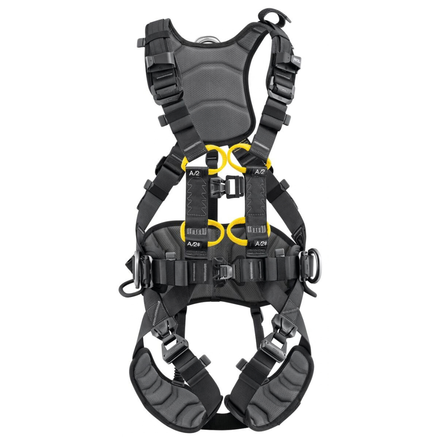
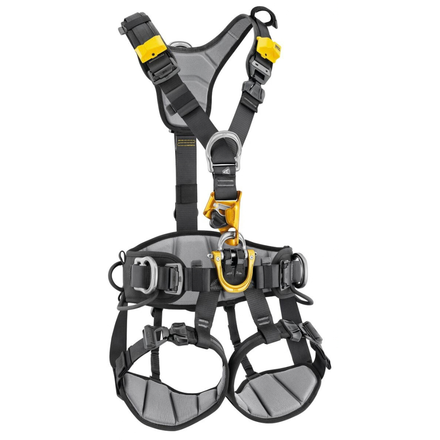
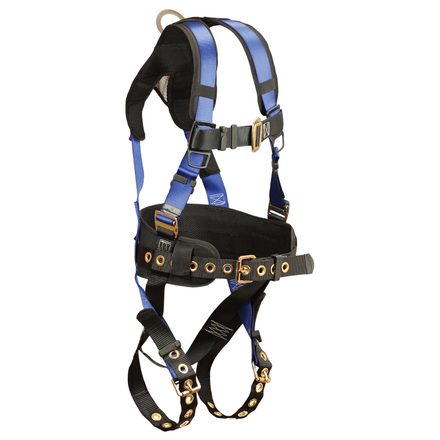
ANSI Z359.11 – Full Body Harnesses
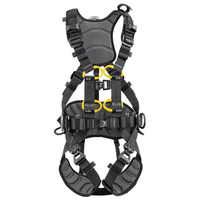
Z359.11 specifies the design and performance requirements for harnesses meant to distribute fall forces across the body – specifically the shoulders, chest, pelvis and thighs. A compliant harness must feature a Visual Impact Indicator (often a folded stitch or tag) that deploys when a fall occurs, signaling the unit must be removed from service.
Used for fall arrest, positioning, travel restraint, suspension and/or rescue applications, full body harnesses are designed for users within the capacity range of 130 – 310 lbs.
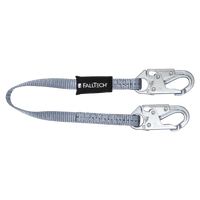
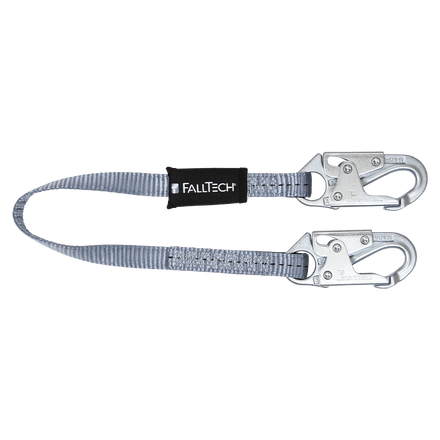
ANSI Z359.3 – Lanyards & Positioning Lanyards
Z359.3 governs equipment used for work positioning and travel restraint. Unlike fall arrest gear, these lanyards are “static” and do not include shock absorbers. As these lanyards cannot dissipate energy, the standard strictly limits their use to applications where a potential free fall is less than 2 feet. All hardware and webbing in this standard must meet a minimum static strength of 5,000 lbs.
ANSI Z359.13 – Energy Absorbers & Energy Absorbing Lanyards
Z359.13 is the standard for “shock absorbing” lanyards used in fall arrest. It mandates that the Maximum Arresting Force (MAF) remains below 1,800 lbs, protecting the user from internal injury. There are two classifications of energy absorbers:
- 6ft Free Fall: personal energy absorbers designed for up to 6 ft free fall
- 12ft Free Fall: personal energy absorbers designed for up to 12ft free fall
ANSI Z359.12 – Connecting Components
EZ359.12 sets the safety requirements for connectors including carabiners, snap hooks and other attachment hardware used in fall protection systems. The most rigorous part of this standard is the Gate Strength requirement. While the body of the connector must hold 5,000 lbs, the gate (the moving part) must be able to withstand a 3,600 lb load from the front and the side. This is a significantly higher safety threshold than many international standards and is designed to prevent "roll-out," where the connector accidentally forced open during a fall.
ANSI Z359.9 – Descent Controllers
Z359.9 is the standard for devices used for controlled descent or evacuation. It covers both Manual (lever-operated) and Automatic (centrifugal brake) units. A key safety requirement is the "Dead-man’s handle" or "Panic-lock"—if the user pulls the handle too hard or lets go entirely, the device must automatically stop the descent. These are tested for multiple descents to ensure the friction heat doesn't degrade the rope or the internal braking mechanism.
ANSI Z359.15 – Single Anchor Lifelines & Fall Arresters
Z359.15 addresses the combination of vertical lifelines (ropes) and fall arresters (rope grabs). A standout requirement is the "Panic Test." The device must be designed so that if a worker instinctively "death grips" the rope grab during a fall, the device still locks onto the rope rather than sliding down. It also ensures the rope and the grab are tested as a matched system to ensure the teeth of the grab provide the correct "bite" on the specific rope diameter.
ANSI Z359.14 – Self-Retracting Devices (SRDs)
Z359.14 covers self-retracting devices (SRDs) and categorizes devices into:
- Class 1: Designed for overhead anchoring only and intended for use on surfaces where a fall will not result in the lifeline contacting an edge
- Class 2: Designed for applications where the anchor point may be located up to 5ft below the dorsal D-ring, including “Leading Edge” environments
Class 2 devices are subjected to rigorous testing over a 0.005-inch radius steel edge to ensure the lifeline can withstand being pulled over a sharp, abrasive corner without snapping. As these falls involve greater free-fall distances, Class 2 devices must also include an integrated or external shock absorber to keep arrest forces within safe limits.
Additional Height Safety Standards
| ANSI Standard | Component | Description |
|---|---|---|
| Z359.18 | Anchorage Connectors | Requirements for the hardware that connects the system to the structure (e.g., beam clamps, D-ring plates, and roof anchors) |
| Z359.4 | Rescue Systems | Standards for equipment specifically used for self-rescue or assisted rescue, such as pulley blocks and winches |
| Z359.16 | Climbing Ladder Fall Arrest Systems | Requirements for permanent vertical fall protection (rigid rails or tensioned cables) and the specialized sleeves that track along them |
Building a Compliant Fall Protection System
A fall protection system is only as effective as the way its components work together as a single, integrated unit. While each piece of equipment is certified to its own specific ANSI Z359 standard, safe use depends on combining compatible components into a complete personal fall arrest system. This typically includes:
- Full Body Harness: Certified to ANSI Z359.11
- Connecting Element: Energy-Absorbing Lanyard (certified to ANSI Z359.13) or a Self-Retracting Device (certified to ANSI Z359.14)
- Connector: Certified to ANSI Z359.12
- Anchorage Connector: Certified to Z359.18
When used correctly, these components form a compliant system designed to limit free-fall distance, keep Maximum Arresting Forces (MAF) below 1,800 lbs, and ensure the user remains securely supported in an upright position following a fall.
Choosing the Right ANSI Certified Equipment for your Work
| Work Type | Typical Use Case | Relevant ANSI Standards |
|---|---|---|
| Fall Arrest | Risk of free fall from edges, roofs, platforms or vertical access | Z359.11 (Harness) Z359.13 (Energy Absorber) Z359.12 (Connectors) Z359.18 (Anchorage Connectors) |
| Leading Edge | Work near sharp or abrasive edges where the anchor may be at foot level (e.g., steel decking, concrete) | Z359.14 Class 2 (SRDs specifically tested for sharp edges and low anchor falls) |
| Work Positioning & Restraint | Holding the user in place (hands-free) or physically preventing access to a fall hazard | Z359.3 (Positioning Lanyards) Z359.11 (Harness with Side D-rings) |
| Vertical Access & Ladders | Climbing fixed ladders, towers, masts or temporary vertical ropes | Z359.16 (Climbing Ladder Systems/Rails) Z359.15 (Vertical Lifelines/Rope Grabs) |
| Rescue & Descent | Controlled descent for maintenance or emergency evacuation and retrieval of a fallen worker | Z359.9 (Descent Controllers) Z359.4 (Rescue & Retrieval Devices) |
Selecting equipment certified to the correct ANSI Z359 standards helps ensure the system is suitable for the task, compliant, and safe to use when working at height.
Upgrade Your Height Safety Equipment with MTN
ANSI Z359 standards provide the framework for safe and compliant work at height, but selecting the right combination of equipment is just as important as understanding the standards themselves.
At MTN SHOP, we supply a comprehensive range of ANSI-compliant and OSHA-ready height safety equipment. Whether you’re building a complete fall protection system or replacing individual elements, our team is on hand to help you choose the right components for your application.